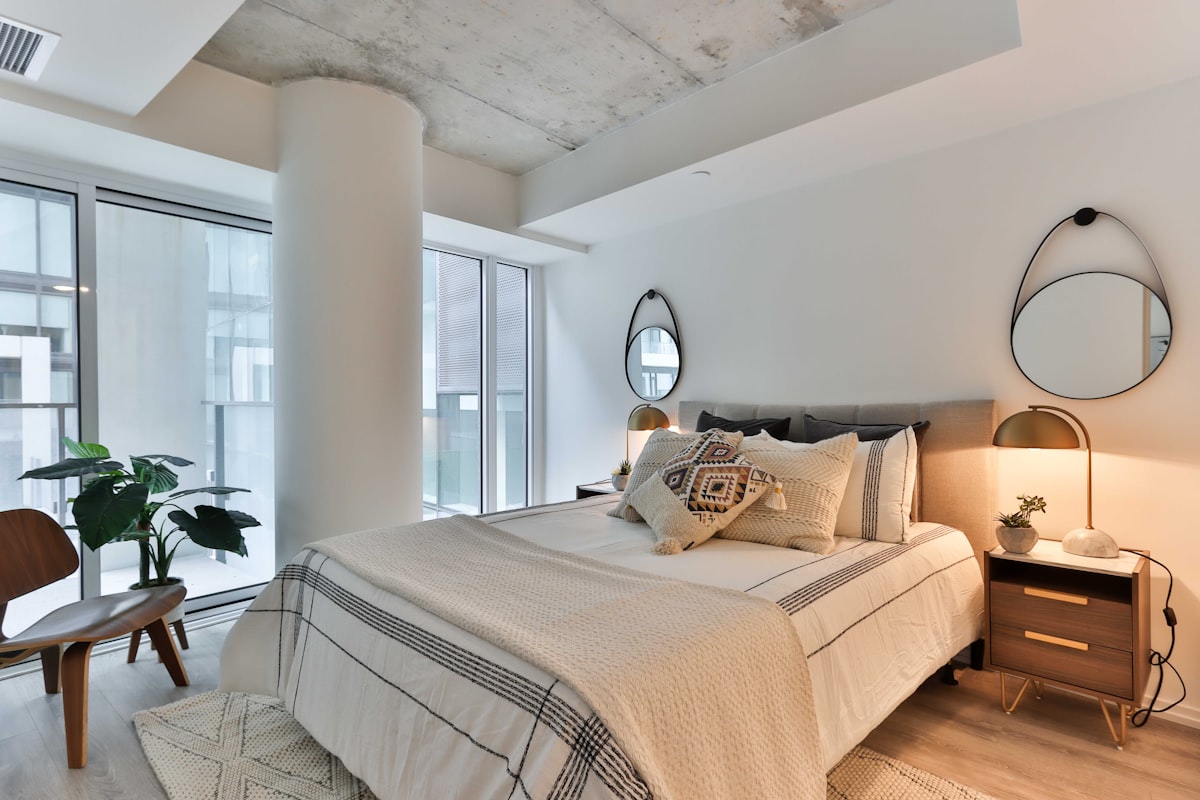
The best hotels in Lumbini are located in and around the Lumbini Bazaar area, within 1–3 kilometres of the Maya Devi Temple — the exact birthplace of Siddhartha Gautama, the Buddha. Lumbini is a UNESCO World Heritage Site and one of the most sacred pilgrimage destinations in the Buddhist world. Accommodation ranges from austere monastery guesthouses offering meditative simplicity to modern hotels with air conditioning and swimming pools. Tariffs span NPR 1,000 for a basic pilgrim room to NPR 12,000 for comfortable luxury.
Which Hotels Are Closest to the Maya Devi Temple and Sacred Garden?
Proximity to the Sacred Garden — the heart of Lumbini's pilgrimage circuit — is the primary consideration for most visitors. These properties offer the shortest walks:
- Lumbini Buddha Garden Resort — The most established upscale property in Lumbini, situated approximately 1 kilometre from the Sacred Garden entrance. Well-maintained rooms, a garden restaurant, and staff experienced in managing pilgrim groups. From NPR 6,000/night (approx. INR 3,750).
- Hotel Ananda Inn — A reliable mid-range option just off the main road to the Sacred Garden. Clean rooms, air conditioning (essential in Lumbini's Terai heat), and a decent restaurant. From NPR 3,500/night (approx. INR 2,190).
- Lumbini Hokke Hotel — A Japanese-managed property reflecting the significant Japanese Buddhist connection to Lumbini. Minimalist design, exceptionally clean, with a serene atmosphere. Vegetarian dining. From NPR 5,000/night (approx. INR 3,125).
- Hotel Lumbini Garden New Crystal — Modern rooms, well-maintained grounds, and a good restaurant serving both Nepali and international cuisine. Their front desk arranges guides and cycling tours of the monastery zone. From NPR 4,500/night (approx. INR 2,810).
- Pawan Palace Lumbini — A newer property with clean, spacious rooms and reliable air conditioning. Good value for the comfort level. From NPR 4,000/night (approx. INR 2,500).
Important context: Lumbini is in the Terai lowlands, where temperatures regularly exceed 35°C from April to September. Air conditioning is not a luxury here — it is a necessity for comfortable sleep during most of the year.
Can You Stay in Monastery Guesthouses at Lumbini?
Yes, and this is one of Lumbini's most unique accommodation experiences. The Monastic Zone — the vast area north of the Sacred Garden containing monasteries built by Buddhist nations worldwide — includes several monasteries that accept overnight guests:
How monastery stays work:
- Accommodation is basic: simple beds, shared bathrooms, minimal furnishings
- Some monasteries request a donation rather than charging a fixed tariff (typically NPR 500–1,500 suggested)
- Others charge a modest fixed rate of NPR 800–2,000/night
- Meals (vegetarian) may be included or available at a small additional cost
- Silence periods and meditation schedules are often observed — this is not a hotel experience
- Advance booking is usually necessary; contact monasteries directly
Notable monastery guesthouses:
- Korean Monastery (Dae Sung Shakya) — One of the better-maintained monastery guesthouses, with clean rooms and a peaceful garden
- Myanmar (Burmese) Monastery — Known for welcoming international visitors and serving traditional Burmese vegetarian meals
- Thai Monastery (Royal Thai Monastery) — Beautiful golden pagoda architecture, guest rooms available with advance arrangement
- Chinese Monastery (Zhong Hua) — Large complex with the most rooms, though quality varies
Who should stay in a monastery: Serious practitioners of Buddhism, those seeking a meditative retreat, and travellers who value spiritual immersion over physical comfort. If you want reliable hot water, air conditioning, and room service, choose a hotel instead.
What Budget Hotels Are Available in Lumbini Under NPR 2,500?
Lumbini's budget accommodation is functional rather than charming, but several properties stand out:
- Hotel Siddhartha — A straightforward budget hotel with clean rooms, fans (important for the Terai heat), attached bathrooms, and a small restaurant. Centrally located in Lumbini Bazaar. From NPR 1,500/night (approx. INR 940).
- Lumbini Village Lodge — Run by a local family with genuine hospitality. Simple rooms, home-cooked meals (some of the best dal bhat in Lumbini), and a peaceful garden. From NPR 1,200/night (approx. INR 750).
- Hotel Maya Land — Clean budget rooms near the bus stand, convenient for arrivals and departures. Restaurant and WiFi available. From NPR 1,800/night (approx. INR 1,125).
- Sunflower Guest House — A modest guesthouse popular with volunteer workers and long-stay visitors. Monthly rates available. From NPR 1,000/night (approx. INR 625).
Budget tips for Lumbini:
- The best budget food is in Lumbini Bazaar, not near the Sacred Garden (where tourist pricing applies)
- Cycling is the best way to explore — bicycle rentals cost NPR 200–400/day
- Carry sufficient cash; ATM availability is limited
- Water bottles and snacks are cheaper in the bazaar than at the monument area
- The afternoon heat (1–4 PM) is intense — plan sightseeing for mornings and evenings
What Is the Best Time to Visit Lumbini?
Timing matters enormously for Lumbini comfort and experience:
| Season | Months | Temperature | Experience | Hotel Availability |
|---|---|---|---|---|
| Cool winter | Nov–Feb | 10–25°C | Most comfortable | Good availability |
| Spring | Mar–Apr | 20–35°C | Warm but manageable | Busy during Buddha Jayanti |
| Hot summer | May–Aug | 30–42°C | Extremely hot, avoid if possible | Widely available |
| Monsoon | Jul–Sep | 28–38°C | Humid, rain, mosquitoes | Widely available |
| Autumn | Oct–Nov | 20–30°C | Pleasant, clear skies | Peak season |
Optimal months: October to February. The period from November to January is ideal — cool temperatures, clear skies, and manageable crowds.
Buddha Jayanti (May full moon): The most significant Buddhist celebration, marking the Buddha's birth. Lumbini is packed with pilgrims from around the world. Hotels book up months in advance, and tariffs can double. If you plan to visit during Buddha Jayanti, book at least two months ahead.
How Do You Explore the Lumbini Complex Effectively?
The Lumbini development zone covers approximately 6.5 square kilometres. Understanding the layout helps you plan your stay:
The Sacred Garden (south):
- Maya Devi Temple — The exact birthplace, marked by a marker stone and the Nativity Sculpture
- Ashoka Pillar — Erected by Emperor Ashoka in 249 BCE, one of the oldest historical markers in South Asia
- Sacred Pond — Where Queen Maya Devi bathed before giving birth
- Ancient monastery ruins
The Monastic Zone (central/north):
- East Monastic Zone: Theravada monasteries (Myanmar, Thailand, Sri Lanka, Cambodia)
- West Monastic Zone: Mahayana/Vajrayana monasteries (China, Korea, Japan, Vietnam, Germany, France)
- A central canal divides the two zones
- The entire circuit takes 3–4 hours on foot, 1.5–2 hours by bicycle
Lumbini Museum and World Peace Pagoda (north):
- Lumbini International Research Institute
- The gleaming white World Peace Pagoda
- Crane Sanctuary (seasonal, November to March)
Practical recommendations:
- Rent a bicycle: Essential for covering the full complex comfortably. Available at most hotels and at the entrance for NPR 200–400/day
- Hire a guide: Local guides (NPR 1,000–2,000 for a half-day) provide invaluable context about each monastery's architecture and the site's history
- Start early: The Sacred Garden opens at 6 AM. Morning light is beautiful and temperatures are bearable
- Carry water: Limited shops inside the monastic zone
What Should Indian Pilgrims Know About Visiting Lumbini?
A significant proportion of Lumbini's visitors come from India, and the experience has specific considerations for Indian travellers:
Border crossing: Lumbini is approximately 22 kilometres from the Sunauli/Belahiya border crossing (India side: Sonauli, Uttar Pradesh). Indian citizens do not need a visa for Nepal. Carry a valid passport or voter ID for border crossing.
From Varanasi: Many pilgrims combine Varanasi and Lumbini. Varanasi to Sunauli border is approximately 290 kilometres (6–7 hours by bus or car). From the border, it is 30 minutes to Lumbini.
From Gorakhpur: The nearest major Indian city, approximately 100 kilometres from Lumbini. Direct buses run from Gorakhpur to Sunauli border.
Currency: Indian rupees (INR) are widely accepted in Lumbini at a rough 1.6x rate (INR 100 = NPR 160), though the exact rate varies. For best rates, exchange at banks or use ATMs for NPR.
Buddhist circuit connection: Lumbini is part of the greater Buddhist circuit that includes Bodh Gaya (Bihar), Sarnath (UP), and Kushinagar (UP). Specialised tour operators run circuit packages covering all four sites.
Payment on BookGarum: Indian pilgrims can book Lumbini hotels on BookGarum and pay in INR via Razorpay — no currency exchange needed. Search Lumbini hotels now.
How Should You Plan and Book Your Lumbini Stay?
Lumbini requires more advance planning than Kathmandu or Pokhara:
Duration: Two nights is ideal. One night is rushed; three nights allows for meditative slowness and repeat visits to the Sacred Garden at different times of day.
What to book in advance:
- Hotel accommodation (especially October–February and during Buddha Jayanti)
- Transport from Kathmandu or Pokhara (tourist buses sell out in peak season)
- Monastery guesthouse stays (limited rooms, often need confirmation weeks ahead)
Getting there from major Nepal destinations:
| From | Duration | Cost | Notes |
|---|---|---|---|
| Kathmandu (bus) | 8–10 hours | NPR 1,200–2,000 | Night bus available |
| Kathmandu (flight) | 30 min to Bhairahawa | NPR 5,000–8,000 | Then 30-min drive |
| Pokhara (bus) | 7–8 hours | NPR 800–1,500 | Day buses only |
| Chitwan (bus) | 4–5 hours | NPR 500–800 | Good circuit stop |
| India border (Sunauli) | 30 min | NPR 300–500 taxi | Easy crossing |
Use BookGarum for verified Lumbini hotels with transparent tariffs and genuine reviews. We list properties that international platforms often miss, including smaller guesthouses near the Sacred Garden. Book in NPR or INR with instant confirmation.
Essential packing for Lumbini:
- Sun protection (hat, sunscreen, sunglasses) — the Terai sun is relentless
- Mosquito repellent (year-round, but especially monsoon season)
- Comfortable walking shoes and sandals for temple visits (shoes removed at many sites)
- Light, modest clothing (shoulders and knees covered for temple etiquette)
- A water bottle (refillable; most hotels have purified water)
- Binoculars for the Crane Sanctuary (if visiting November–March)
Lumbini is not a destination that overwhelms with activity or nightlife. It is a place of profound quietness, where the simplicity of the surroundings focuses your attention on what matters. Whether you are a Buddhist pilgrim completing a lifelong journey or a curious traveller drawn to one of humanity's most significant birthplaces, the experience begins with where you stay. Choose wisely, book through BookGarum, and give yourself the gift of unhurried time in this sacred landscape.