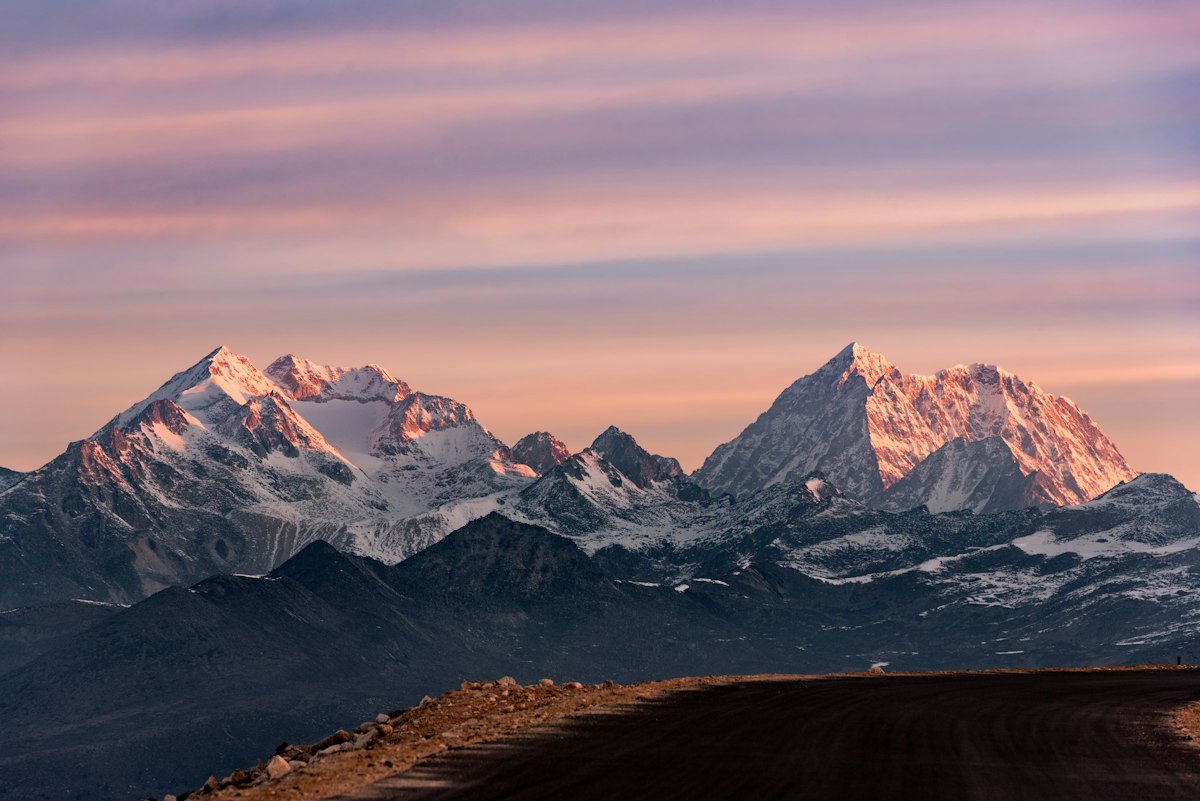
Nepal's cheapest treks cost between INR 1,500 and INR 3,000 per day all-inclusive, covering tea house accommodation, meals, and permit fees. Several popular routes do not require a mandatory guide, meaning you can trek independently and save INR 2,000-4,000 per day on guide and porter fees. This guide covers eight affordable treks sorted by total cost, with detailed breakdowns of what you will spend on each route.
Which Nepal Treks Do Not Require a Mandatory Guide?
As of 2026, Nepal's trekking regulations require licensed guides for treks in restricted areas and national parks. However, several popular routes remain open to independent trekkers. The ability to trek without a guide is the single biggest factor in keeping costs down, as guide fees typically run NPR 3,000-5,000 (INR 1,875-3,125) per day.
Treks currently open to independent trekkers (no mandatory guide):
| Trek | Duration | Permit Cost | Guide Required? |
|---|---|---|---|
| Poon Hill / Ghorepani | 4-5 days | ACAP NPR 3,000 | No |
| Mardi Himal | 4-5 days | ACAP NPR 3,000 | No |
| Australian Camp / Dhampus | 2-3 days | ACAP NPR 3,000 | No |
| Nagarkot to Dhulikhel | 1-2 days | Free | No |
| Shivapuri National Park | 1 day | NPR 1,000 (SAARC) | No |
| Bandipur Hike | 1-2 days | Free | No |
| Chisapani-Nagarkot | 2-3 days | SNP NPR 1,000 | No |
| Sarangkot Day Hike | Half day | Free | No |
Note: Nepal periodically changes trekking regulations. The government announced mandatory guides for all treks starting April 2023, but enforcement has been inconsistent on popular short treks. Check current rules at the Nepal Tourism Board office in Kathmandu before setting out. TIMS cards (Trekkers' Information Management System) cost NPR 2,000 for SAARC nationals.
How Much Does the Poon Hill Trek Cost on a Budget?
The Poon Hill trek is Nepal's most popular budget trek, and for good reason. It offers stunning Annapurna and Dhaulagiri panoramas, charming Gurung villages, and excellent tea houses — all in just 4-5 days. The total cost for an independent trekker comes to approximately INR 8,000-12,000.
Daily Cost Breakdown
| Item | Cost Per Day (NPR) | Cost Per Day (INR) |
|---|---|---|
| Tea house accommodation | 300–500 | 190–310 |
| Breakfast | 300–500 | 190–310 |
| Lunch | 400–600 | 250–375 |
| Dinner | 500–800 | 310–500 |
| Hot drinks (tea/coffee) | 100–200 | 60–125 |
| Snacks/water purification | 100–200 | 60–125 |
| Daily total | 1,700–2,800 | 1,060–1,745 |
One-Time Costs
| Item | Cost (NPR) | Cost (INR) |
|---|---|---|
| ACAP permit | 3,000 | 1,875 |
| TIMS card (SAARC) | 2,000 | 1,250 |
| Bus: Pokhara to Nayapul | 150–200 | 95–125 |
| Bus: Nayapul to Pokhara | 150–200 | 95–125 |
Total 4-day Poon Hill trek: NPR 12,000-18,000 (INR 7,500-11,250)
Money-Saving Tips for Poon Hill
- Stay where you eat: Tea houses offer free or heavily discounted rooms (NPR 100-200) if you eat dinner and breakfast there. This is the standard arrangement — always confirm when checking in.
- Carry water purification tablets: Bottled water costs NPR 100-200 at altitude, but purification tablets cost NPR 5 per litre from Kathmandu pharmacies.
- Eat dal bhat on the trail: It is the cheapest, most filling meal available and comes with free refills at most tea houses.
- Travel in a pair: Room costs are per room, not per person. Two people sharing halve the accommodation expense.
How Affordable Is the Mardi Himal Trek?
Mardi Himal is Nepal's best-kept budget secret — a trek that takes you to the base of the Mardi Himal (5,587m) with close-up views of Machhapuchhre (Fishtail Mountain) and the Annapurna range. It is less crowded than Poon Hill, slightly more challenging, and costs about the same.
Route Overview
- Duration: 4-5 days
- Max altitude: 4,500m (Mardi Himal Base Camp)
- Difficulty: Moderate (steeper than Poon Hill)
- Best months: October-November, March-April
Cost Breakdown
| Item | 5-Day Total (NPR) | 5-Day Total (INR) |
|---|---|---|
| Accommodation (5 nights) | 1,500–2,500 | 940–1,560 |
| Food (5 days) | 6,000–10,000 | 3,750–6,250 |
| ACAP permit | 3,000 | 1,875 |
| TIMS card (SAARC) | 2,000 | 1,250 |
| Transport to/from trailhead | 500–800 | 310–500 |
| Total | 13,000–18,300 | 8,125–11,440 |
The accommodation on Mardi Himal is simpler than Poon Hill — basic tea houses with shared bathrooms and limited hot water above 3,000m. Pack warm clothes and a sleeping bag liner for comfort at the higher camps.
Is the Nagarkot to Dhulikhel Hike Really Free?
Yes. The Nagarkot to Dhulikhel ridge walk is completely free — no permits, no entry fees, and no mandatory guide. It is the cheapest trek in Nepal and one of the most rewarding day hikes in the Kathmandu Valley.
Route details:
- Distance: 12-15 km
- Duration: 4-6 hours
- Altitude: 1,500-2,175m
- Difficulty: Easy
The trail follows the ridge between Nagarkot and Dhulikhel with continuous Himalayan views on clear days (you can see from Langtang to Everest). The path passes through quiet villages, terraced fields, and patches of forest.
Total Cost
| Item | Cost (NPR) | Cost (INR) |
|---|---|---|
| Bus: Kathmandu to Nagarkot | 100–150 | 60–95 |
| Lunch at a village tea shop | 200–400 | 125–250 |
| Bus: Dhulikhel to Kathmandu | 80–120 | 50–75 |
| Total | 380–670 | 235–420 |
That is a full day of Himalayan trekking for under INR 500. If you want to extend it, stay overnight in Dhulikhel (guesthouses from NPR 800/INR 500) and catch the sunrise over the mountains the next morning.
What About the Australian Camp and Dhampus Short Trek?
The Australian Camp trek is ideal for budget travellers who want a taste of trekking without committing to a multi-day route. It is a 2-3 day loop from Pokhara with spectacular Annapurna views and comfortable tea houses.
Why it is cheap:
- Short duration means fewer meals and nights at tea house prices
- Easy terrain means no special gear required
- Close to Pokhara, so transport costs are minimal
Cost for 2-Day Version
| Item | Cost (NPR) | Cost (INR) |
|---|---|---|
| ACAP permit | 3,000 | 1,875 |
| TIMS card (SAARC) | 2,000 | 1,250 |
| Taxi: Pokhara to Kande | 500 | 310 |
| Accommodation (1 night) | 200–400 | 125–250 |
| Food (2 days) | 2,000–3,000 | 1,250–1,875 |
| Bus: Dhampus to Pokhara | 150 | 95 |
| Total | 7,850–9,050 | 4,905–5,655 |
The permit costs are the same as longer treks, which makes very short treks slightly less cost-efficient per day. But for travellers with limited time, this is the fastest way to experience Nepal's mountain scenery.
How Can You Save Money on Trek Permits?
Trek permits are a fixed cost that you cannot negotiate, but there are strategies to optimise the spend.
- SAARC pricing: Indian nationals pay NPR 2,000 for TIMS and NPR 3,000 for ACAP/SNP permits. Non-SAARC nationals pay NPR 3,000 and NPR 3,000 respectively. Always carry your Indian ID.
- Longer treks amortise permit costs: A 4-day trek with NPR 5,000 in permits works out to NPR 1,250 per day, whereas a 1-day trek costs the full NPR 5,000 for one day.
- Free treks exist: The Nagarkot-Dhulikhel hike, Bandipur hilltop walks, and Sarangkot day hike from Pokhara require no permits at all.
- Buy permits in Kathmandu or Pokhara: The Nepal Tourism Board offices issue permits quickly. Buying through a travel agent adds a markup of NPR 200-500.
What Trekking Gear Do You Need on a Budget?
You do not need expensive gear for Nepal's budget treks. The lower-altitude routes (below 4,000m) require only basic hiking equipment, most of which you can buy cheaply in Thamel or Lakeside Pokhara.
Essential Gear and Budget Costs (Buy in Thamel)
| Item | Cost (NPR) | Cost (INR) | Notes |
|---|---|---|---|
| Trekking boots | 2,000–4,000 | 1,250–2,500 | Factory surplus, good enough for short treks |
| Down jacket | 1,500–3,000 | 940–1,875 | Essential above 3,000m |
| Rain jacket | 800–1,500 | 500–940 | Doubles as windbreaker |
| Trekking pole (pair) | 500–1,000 | 310–625 | Helpful on steep descents |
| Sleeping bag liner | 500–800 | 310–500 | Tea houses provide blankets, but liners add comfort |
| Daypack (30-40L) | 1,000–2,000 | 625–1,250 | If you do not have one already |
| Water purification tabs | 200–400 | 125–250 | Pack of 50, lasts the entire trek |
Total gear cost if buying everything in Thamel: NPR 6,500-12,700 (INR 4,060-7,940)
Better option: Rent gear in Pokhara. Several shops near the Lakeside tourist area rent trekking boots (NPR 200/day), sleeping bags (NPR 150/day), and down jackets (NPR 200/day). For a 4-day trek, renting works out to NPR 2,200 (INR 1,375) — half the cost of buying.
How Do You Book Tea House Accommodation on Budget Treks?
Tea house accommodation on Nepal's popular trekking routes does not require advance booking during normal season. You simply walk to the next village, choose a tea house, and check in. During peak season (October-November), popular stops like Ghorepani and Tadapani can fill up, so arrive by 2:00 PM to be safe.
The "eat where you sleep" rule: Tea houses on trekking routes operate on a food-subsidy model. Room rates are kept very low (NPR 200-500) with the understanding that you will eat dinner and breakfast at the tea house. If you try to bring outside food or eat at a different tea house, you may be charged the full room rate (NPR 1,000-2,000). This is a fair arrangement — the tea house owners are local families, and food margins are their primary income.
Find pre-trek accommodation in Pokhara or Kathmandu on BookGarum →
Pro tip: Book a comfortable hotel in Pokhara for your pre-trek and post-trek nights. After days of basic tea house living, a hot shower and a proper bed feel luxurious. Lakeside Pokhara hotels start from NPR 1,200 (INR 750) for a clean room with lake views.
Related reads: