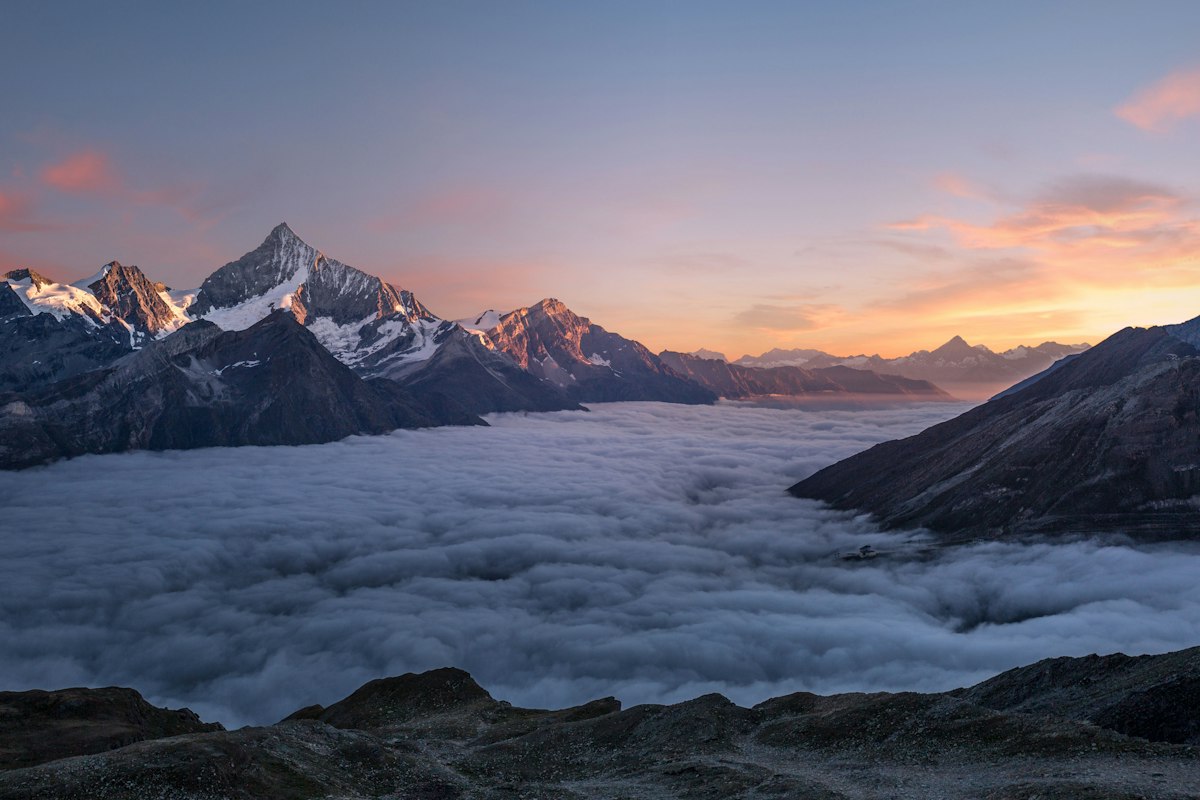
Rara Lake is the largest lake in Nepal, a pristine alpine jewel sitting at 2,990 metres above sea level in the remote Mugu District of far-western Nepal. Spanning 10.8 square kilometres with a maximum depth of 167 metres, Rara's crystal-clear waters shift between deep sapphire blue and emerald green depending on the sky and season. The lake is the centrepiece of Rara National Park, Nepal's smallest yet arguably most scenic national park, surrounded by dense conifer forests, wildflower meadows, and snow-capped peaks. Getting to Rara requires real effort — either a multi-day trek or a chartered flight to a remote airstrip — but those who make the journey are rewarded with one of the most breathtaking and tranquil landscapes in the entire Himalayan range.
Why Is Rara Lake So Special?
Rara Lake holds a near-mythical status among Nepali travellers and trekkers. It is regularly cited as Nepal's most beautiful natural destination, and for good reason.
Sheer scale and clarity: Rara is not a small mountain tarn — it is a vast body of water, 5.1 km long and 2.7 km wide, set in a deep glacial basin. The water is extraordinarily clear, with visibility extending several metres below the surface. On calm days, the lake mirrors the surrounding mountains with photographic perfection.
Pristine isolation: Rara receives only about 2,000-3,000 visitors per year (compared to over 150,000 for the Annapurna region). There are no roads to the lake, no motorised boats on its surface, and no commercial development on its shores. The silence and solitude are absolute.
Ecological richness: Rara National Park (106 square kilometres) protects blue pine, spruce, and juniper forests that are home to red pandas, Himalayan black bears, musk deer, and over 200 bird species. The lake itself contains the endemic Rara snowtrout fish found nowhere else on earth.
Cultural significance: The lake holds deep spiritual importance for the Thakuri, Brahmin, and Chhetri communities of the region. Local legends describe the lake as the abode of a serpent deity, and small shrines dot the shoreline.
Literary fame: The great Nepali poet Gopal Prasad Rimal immortalised Rara in his writing, and the lake appears in Nepali school textbooks, making it an aspirational destination for every Nepali.
How Do You Get to Rara Lake?
This is the key question, because reaching Rara is the main logistical challenge. There are three options: trek, fly, or a combination of both.
Option 1: Trek From Jumla (Classic Route)
The traditional approach to Rara begins in Jumla, the administrative centre of Karnali Province.
- Kathmandu to Jumla: Fly from Kathmandu to Nepalgunj (Terai, 1 hour), then a connecting flight from Nepalgunj to Jumla (35 minutes). Alternatively, drive from Kathmandu to Nepalgunj (12 hours by bus) and fly onward. Flights to Jumla operate daily in season but are weather-dependent.
- Jumla to Rara Lake: The trek from Jumla to Rara takes 2-3 days through forested hills, Thakuri villages, and high passes. The trail is well-established but strenuous, with elevation gains and losses each day.
- Return: Most trekkers return the same way, though a circuit route via Gamgadhi (Mugu district headquarters) is possible and recommended for variety.
- Total trekking days: 6-8 days (round trip including time at the lake).
Option 2: Fly to Talcha Airstrip
Talcha is a tiny airstrip located 5 km from Rara Lake.
- Route: Kathmandu -> Nepalgunj (flight) -> Talcha (flight). Tara Air operates occasional flights from Nepalgunj to Talcha, but these are infrequent and unreliable. Flights operate on demand rather than a fixed schedule.
- From Talcha to Rara: A 1-2 hour walk through forest.
- Advantage: Eliminates the 2-3 day trek from Jumla.
- Disadvantage: Flights to Talcha are extremely unreliable. You may wait days for a flight to operate. Always have a backup plan.
Option 3: Helicopter Charter
The fastest and most reliable option, but the most expensive.
- Route: Charter a helicopter from Nepalgunj or Kathmandu directly to Rara Lake.
- Cost: USD 2,500-4,000 for a helicopter charter (3-5 passengers), depending on the departure point.
- Duration: 1-2 hours flight time from Nepalgunj.
- Advantage: You can reach Rara and return in a single day if needed.
- Best for: Groups that can share the cost, travellers with limited time, or those unable to trek.
The Recommended Approach
Fly to Jumla, trek to Rara over 2-3 days (enjoying the journey through remote western Nepal), spend 2 nights at the lake, and trek back to Jumla for the return flight. This balances accessibility with the experience of the approach, which is part of Rara's magic.
What Will You See and Do at Rara Lake?
Once at Rara, the primary activity is simply being present in one of the most beautiful landscapes in Asia. That said, there is plenty to fill 2-3 days.
Lake circumambulation: The walk around the full perimeter of Rara Lake takes 4-6 hours (approximately 14 km). The trail passes through conifer forests, open meadows, and shoreline sections. This is the essential Rara experience — the constantly changing perspectives of the lake and mountains are mesmerising.
Murma Top viewpoint: A 2-3 hour hike from the lake to Murma Top (3,600 m) for panoramic views over Rara and the surrounding mountains, including Sisne Himal and Ruma Kand.
Chuchemara Peak: At 4,087 m, the highest point near Rara Lake. A full-day hike from the lakeshore, rewarding with vast views of the western Himalayas.
Birdwatching: Rara National Park is excellent for birding. Species include the Impeyan pheasant (Danphe — Nepal's national bird), western tragopan, koklass pheasant, and various eagles and vultures.
Village visits: The small settlements around Rara (including Murma and Jhyari) offer glimpses of traditional western Nepal life. The people here live largely subsistence lifestyles, growing rice, millet, and barley.
Swimming and boating: The lake water is cold (even in summer, surface temperatures rarely exceed 12-15°C), but a quick dip on a warm day is invigorating. Small rowboats are sometimes available through the national park authority.
What Are the Permit Requirements and Fees?
- Rara National Park entry fee: NPR 3,000 for foreign nationals, NPR 1,500 for SAARC nationals, NPR 100 for Nepali citizens
- TIMS card (Trekkers' Information Management System): NPR 2,000, obtainable in Kathmandu from the Nepal Tourism Board
- No restricted area permit needed: Unlike Upper Mustang or Dolpo, Rara does not require a special restricted area permit. Independent trekking is permitted, though hiring a guide is strongly recommended.
- Camping permit: If camping inside the national park, a small additional fee applies (NPR 500 per tent per night).
When Is the Best Time to Visit Rara Lake?
| Season | Months | Temperature | Conditions | Verdict |
|---|---|---|---|---|
| Autumn | Oct-Nov | 0-18°C | Clear skies, golden foliage | Best — stunning colour, dry trails |
| Spring | Mar-May | 5-20°C | Rhododendrons in bloom, some haze | Very good |
| Summer | Jun-Sep | 10-22°C | Monsoon rain, lush green, leeches | Wet but beautiful |
| Winter | Dec-Feb | -10 to 10°C | Snow possible, very cold nights | Difficult — lake may partially freeze |
September-November is the prime window. The autumn foliage around Rara is spectacular — golden and crimson deciduous trees framing the deep blue lake against clear mountain skies. October is perfect.
March-May is also excellent, with rhododendrons blooming on the surrounding slopes (April-May) and gradually warming temperatures.
Avoid December-February unless you are prepared for serious cold. Night temperatures can drop to -15°C, trails may be snow-covered, and most lodges close for winter.
Where Do You Stay at Rara Lake?
Accommodation at Rara is basic. Do not expect hotel-standard rooms — this is a remote national park.
- Rara National Park Lodge: The most established option, run by the national park authority. Basic rooms with beds and blankets. No attached bathroom. Meals available. Cost: NPR 500-1,000 per night.
- Community-run lodges: A few small lodges and tea houses operate near the lake during trekking season (March-November). Simple dal bhat meals and basic rooms.
- Camping: Many trekkers bring their own tents. Designated camping areas are available near the lakeshore. This is the most reliable accommodation option and arguably the most rewarding — sleeping beside Rara Lake under a canopy of stars is unforgettable.
- Jumla accommodation: Jumla town has several basic hotels (NPR 1,000-2,500/night) for pre- and post-trek stays.
Essential to bring: A warm sleeping bag (rated to -10°C minimum for autumn), thermal layers, and a headlamp. Even lodge rooms can be very cold at night.
How Much Does a Rara Lake Trip Cost?
| Item | Budget (Trek) | Comfortable (Trek + Guide) | Helicopter |
|---|---|---|---|
| Kathmandu-Nepalgunj flight (return) | USD 200-300 | USD 200-300 | Included |
| Nepalgunj-Jumla flight (return) | USD 200-300 | USD 200-300 | N/A |
| Helicopter charter | N/A | N/A | USD 2,500-4,000 |
| National park fee | USD 22 | USD 22 | USD 22 |
| TIMS card | USD 15 | USD 15 | USD 15 |
| Guide (8-10 days) | N/A | USD 200-300 | N/A |
| Porter (8-10 days) | N/A | USD 150-200 | N/A |
| Accommodation + meals (8-10 days) | USD 100-150 | USD 150-200 | USD 20-50 |
| Total per person | USD 550-800 | USD 950-1,350 | USD 2,600-4,100 |
What Practical Tips Should You Know?
- Remoteness is real: There are no hospitals, pharmacies, or reliable communications in the Rara region. Carry a comprehensive first-aid kit and any personal medication you may need.
- Food is limited: At Rara itself, expect dal bhat (lentil soup with rice) and possibly some tinned goods. If you have dietary requirements, carry supplementary food from Jumla or Kathmandu.
- Cash only: No ATMs anywhere in the Rara region. Carry all cash in Nepali rupees from Nepalgunj or Kathmandu.
- Altitude: Rara Lake sits at 2,990 m. If flying directly to Talcha (2,580 m) or arriving by helicopter, give yourself time to acclimatise. Drink plenty of water and avoid exertion on the first day.
- Guides: While not legally required, a local guide is strongly recommended. Trails are not always well-marked, and local knowledge of conditions, shortcuts, and lodging is invaluable.
- Weather can change rapidly: Carry rain gear and warm layers regardless of season.
- Leave no trace: Rara's pristine condition depends on responsible visitors. Carry all rubbish out with you.
Plan Your Rara Lake Adventure on BookGarum
Rara Lake is the ultimate destination for travellers who value nature, solitude, and authentic adventure over convenience. It requires effort to reach, but the reward is one of the most beautiful places on earth.
Book your Nepalgunj and Jumla hotels for pre- and post-trek stays on BookGarum:
- Browse Nepalgunj stays
- Pay in your currency — INR via Razorpay or NPR via Khalti and eSewa
- No booking fees — transparent pricing, instant confirmation
Related reads: