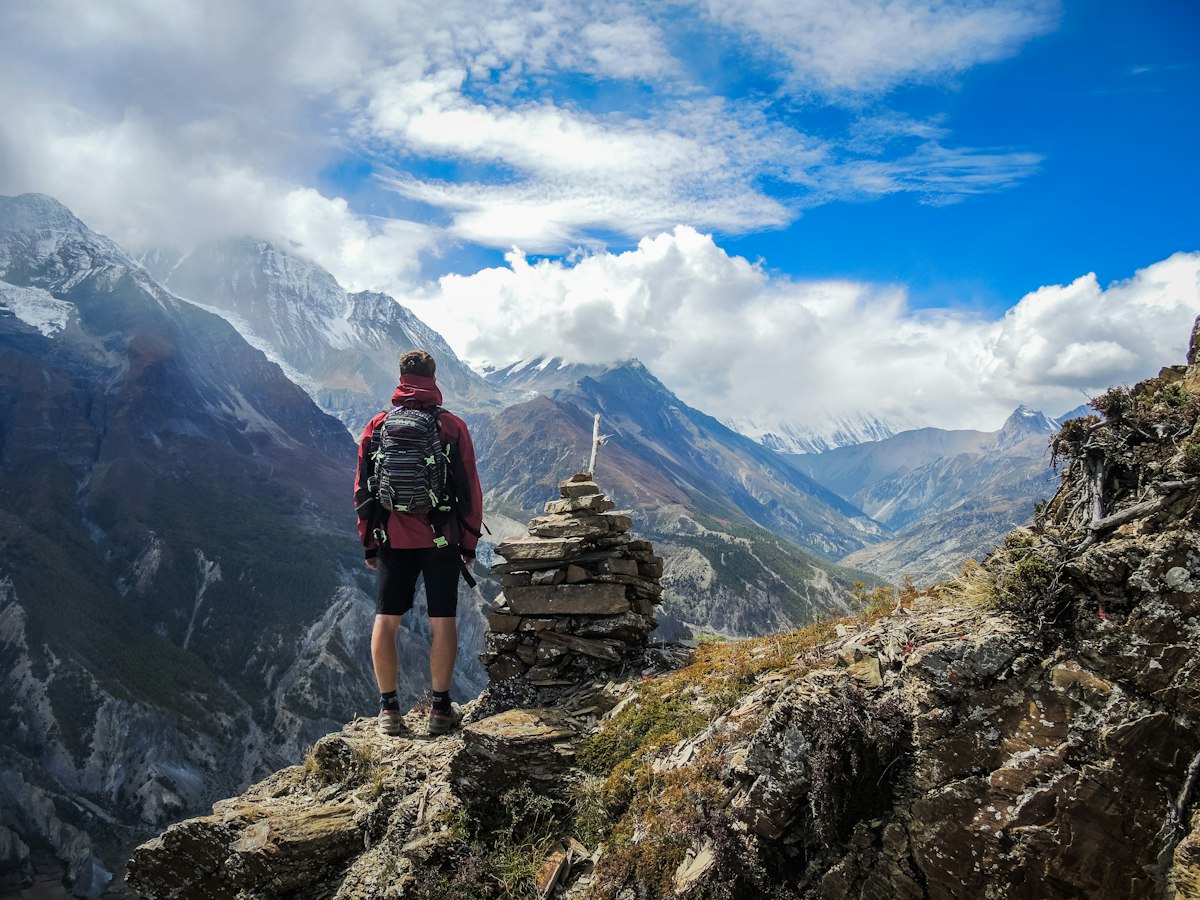
Nepal is one of the safest countries in South Asia for solo female travellers. Violent crime against tourists is extremely rare, the local culture is generally respectful towards women, and the well-established trekking and tourism infrastructure means you will rarely feel truly isolated. That said, common-sense precautions, cultural awareness, and choosing the right accommodation make the difference between a good trip and a great one.
This guide provides honest, practical advice from women who have travelled Nepal solo — covering safety realities, cultural norms, recommended routes, trekking as a solo woman, and how to choose the right places to stay.
How Safe Is Nepal for Solo Female Travellers?
Nepal consistently ranks as one of the safer destinations for solo women in Asia. The Global Peace Index places Nepal in the middle range globally, and tourist-specific crime rates are low compared to many popular destinations.
The positive reality:
- Nepali culture places high value on hospitality. The greeting "Namaste" (I honour the divine in you) reflects a genuine warmth towards visitors.
- Tourist areas like Thamel, Lakeside Pokhara, and popular trekking routes have established infrastructure with other travellers always nearby.
- Nepal's tourism economy means locals in tourist areas are accustomed to solo female travellers and generally treat them with respect.
- The Tourist Police operates in Kathmandu and Pokhara, with English-speaking officers specifically trained to assist foreign visitors.
The honest caveats:
- Verbal harassment (staring, catcalling) does occur, particularly in non-tourist areas and local bus stations. It is usually more annoying than threatening.
- Petty theft (bag snatching, pickpocketing) is the most common crime affecting tourists of all genders, especially in crowded areas.
- Drink spiking, while rare, has been reported in bars in Thamel. Standard precautions apply.
- Some male trekking guides or hotel staff may cross professional boundaries with unwanted attention. This is uncommon with reputable operators but worth being aware of.
- Road travel at night, particularly on local (non-tourist) buses, carries higher risk and is best avoided.
Overall assessment: Nepal is not risk-free, but the risks are manageable with basic awareness. Most solo female travellers report overwhelmingly positive experiences.
What Cultural Norms Should Solo Women Know About?
Understanding Nepali cultural expectations helps you navigate interactions smoothly and respectfully:
Dress code:
- Nepal is more conservative than Western countries. In cities, wearing shorts above the knee, sleeveless tops, or revealing clothing attracts unwanted attention.
- Comfortable loose trousers, long skirts, and tops that cover the shoulders are ideal for city exploration and temple visits.
- Trekking areas are more relaxed — standard trekking gear (leggings, moisture-wicking shirts) is perfectly acceptable on the trail.
- Swimwear is only appropriate at hotel swimming pools, never at public water sources or rivers.
Temple etiquette:
- Remove shoes before entering temples and some traditional homes.
- Some Hindu temples (notably Pashupatinath's inner sanctum) are closed to non-Hindus. Respect these boundaries.
- Ask permission before photographing people, especially at religious sites and cremation ghats.
Physical contact:
- Nepali culture is generally not physically demonstrative between genders. Handshakes with men are fine in tourist contexts, but a Namaste greeting (hands together, slight bow) is always appreciated and more culturally appropriate.
- Public displays of affection between couples are frowned upon.
- Avoid touching anyone's head — it is considered the most sacred part of the body.
Left hand:
- The left hand is considered unclean. Use your right hand for eating, passing objects, and giving/receiving money.
Which Routes Are Best for Solo Female Travellers?
Some areas are better suited than others for women travelling alone:
Highly recommended:
- Kathmandu Valley — Thamel, Patan, Bhaktapur, Boudhanath. Busy tourist areas with excellent infrastructure. Easy to meet other travellers.
- Pokhara Lakeside — Relaxed, walkable, and safe. The highest concentration of solo travellers in Nepal.
- Annapurna Circuit and Base Camp treks — Well-trodden, teahouse-to-teahouse routes where you are never far from other trekkers and local villages.
- Chitwan National Park — Organised safari activities with groups. Sauraha town is small and friendly.
- Lumbini — Peaceful pilgrimage site with good hotels and low-key atmosphere.
- Bandipur — Charming hilltop village, very safe, with a handful of excellent guesthouses.
Fine with precautions:
- Everest Base Camp trek — Safe and well-managed but more physically demanding. Having a guide is recommended for the altitude.
- Nagarkot/Dhulikhel — Mountain viewpoint towns near Kathmandu. Safe during the day; accommodation areas are quiet at night.
Better with a companion or guide:
- Upper Mustang and Dolpo — Restricted areas requiring a guide by law. Remote, with very few other travellers.
- Far-western Nepal — Less tourist infrastructure, more conservative culture, limited English spoken.
- Terai border towns — Not dangerous but can feel uncomfortable for solo women due to crowding and staring.
Can Women Trek Solo in Nepal?
Yes, women can and do trek solo in Nepal. However, the government officially requires all foreign trekkers to be accompanied by a licensed guide since April 2023. Enforcement has been inconsistent, but it is the official rule.
Practical options for solo female trekkers:
Option 1: Hire a licensed guide (recommended)
- Cost: NPR 3,000-5,000 per day for an English-speaking trekking guide.
- Benefits: Local knowledge, safety backup, language assistance, cultural insights.
- Tip: Request a female guide if preferred. Several agencies now offer female guides, though availability is more limited.
- Reputable agencies: Nepal Hiking Team, Alpine Adventure Club, Himalayan Glacier.
Option 2: Join a group trek
- Cost: USD 500-2,000 for organised group treks (7-21 days, all-inclusive).
- Benefits: Instant companions, shared costs, structured itinerary.
- Solo women often make lifelong friends on group treks.
Option 3: Find trekking partners
- Hostels and guesthouses in Thamel and Pokhara have noticeboards where trekkers seek companions.
- Facebook groups like "Trekking Partners Nepal" and hostel common rooms are good places to connect.
- Many solo women pair up at the trek starting point (Nayapul for Annapurna, Lukla for Everest).
Safety on the trail:
- Teahouses on popular routes are family-run and generally very safe. Rooms have basic locks.
- Avoid trekking after dark. Plan your daily stages to arrive at your teahouse by 3:00-4:00 PM.
- Carry a whistle, headlamp, and fully charged phone.
- Share your itinerary with someone — your hotel in Kathmandu, your embassy registration, or a friend back home.
- Trust your instincts. If a teahouse or person feels wrong, move on to the next village.
How Should Solo Women Choose Accommodation?
Accommodation choices significantly impact your comfort and safety as a solo female traveller:
What to look for:
- Female-friendly reviews — On BookGarum, filter reviews from solo travellers and look for mentions of safety, staff behaviour, and room locks.
- Central location — Especially in Kathmandu, staying in Thamel means well-lit streets, other tourists nearby, and easy access to restaurants and transport.
- 24-hour reception — Important for late arrivals or if you need assistance at odd hours.
- Proper door locks — Check that your room has a functioning lock (deadbolt or padlock hasp). In budget places, bring your own padlock.
- No shared bathrooms with male strangers — If staying in very budget accommodation, opt for rooms with attached bathrooms or female-only dormitories.
Accommodation types ranked for solo women:
- Mid-range hotels (NPR 2,000-5,000/night): Best overall option. Professional staff, secure rooms, good location. Search verified hotels on BookGarum for properties with strong safety reviews.
- Hostels with female dorms (NPR 500-1,500/night): Excellent for meeting other travellers. Kathmandu and Pokhara have several good options.
- Boutique guesthouses: Often family-run with a personal touch. Great in Patan, Bhaktapur, and Bandipur.
- Trekking teahouses: Standard on trekking routes. Safe and family-run, though facilities are basic.
- Budget guesthouses (under NPR 1,000/night): Fine in tourist areas but inspect rooms before committing. Avoid those in isolated lanes.
What Practical Safety Tips Do Experienced Solo Women Recommend?
These tips come from women who have collectively spent years travelling Nepal solo:
Daily safety:
- Save emergency numbers in your phone: Tourist Police (1144), your embassy, your hotel.
- Use Pathao (Nepal's ride-hailing app) instead of flagging down random taxis, especially at night. It records your trip and driver details.
- Avoid walking in poorly lit areas after 9:00 PM, even in tourist districts.
- Trust your gut. Nepali people are overwhelmingly kind, but if someone makes you uncomfortable, walk away.
Money and valuables:
- Use a money belt or hidden pouch for passport and large cash amounts.
- Keep a photocopy of your passport separately from the original.
- Avoid flashy jewellery or expensive electronics in crowded areas.
Communication:
- Get a local SIM card immediately on arrival — it is your lifeline for maps, ride-hailing, and emergency calls.
- Share your live location with a trusted person via WhatsApp during travel days.
- Learn a few Nepali phrases — "Malai sahayta garnus" (help me) and "Jaanus" (go away) are useful.
Health:
- Carry a personal first aid kit, including altitude sickness medication if trekking.
- Period products (tampons, menstrual cups) are available in Kathmandu and Pokhara pharmacies but rare elsewhere. Bring your own supply for trekking.
- Water purification tablets or a SteriPen save money and reduce plastic waste.
Frequently Asked Questions
Is it safe to go out at night in Thamel? Thamel is lively until about 10:00-11:00 PM, with restaurants, bars, and shops open. Walking the main streets is generally fine. Avoid dark side alleys and be cautious leaving bars late at night. Use Pathao for the return to your hotel.
Can I drink alcohol as a solo woman in Nepal? Yes, Nepal has a liberal attitude towards alcohol. Bars and restaurants in tourist areas serve drinks without any cultural issue. Standard drink-safety practices apply — watch your drink and do not accept drinks from strangers.
Should I tell people I am travelling alone? Use your judgement. In hotels and with trekking agencies, honesty is fine and helps them assist you. With random strangers who ask persistent questions, saying "my friend is meeting me later" or "my husband is at the hotel" is a perfectly acceptable white lie.
Is solo female travel possible during festivals? Absolutely, and festivals are among Nepal's greatest experiences. During Dashain and Tihar, the country is festive and joyful. However, local transport is packed and accommodation fills up fast — book well in advance on BookGarum.
Do I need to cover my head in Nepal? No. Nepal is predominantly Hindu and Buddhist, neither of which requires head covering for women. Modest shoulder and knee coverage is respectful at temples.
Are there female-only spaces in Nepal? Some hostels offer female-only dormitories. There are no female-only restaurants or transport options. In local buses, there are sometimes seats reserved for women near the front.
Start Your Solo Nepal Journey with BookGarum
Travelling solo as a woman in Nepal is one of the most rewarding experiences South Asia offers — the landscapes, the culture, the kindness of strangers, and the personal growth that comes from navigating a new country on your own terms. Book on BookGarum to find safe, verified accommodation with honest reviews from fellow travellers, transparent pricing, and properties that understand the needs of solo guests. Your Nepal adventure is waiting.